Cleaning Solar Panels in Oregon: A Local Homeowner’s Guide to Moss & Pollen
Key Highlights
- The “Rain Myth”: While Oregon rain helps rinse off dust, it doesn’t remove the sticky “pollen paste” or bird droppings.
- The Enemy: Moss is the biggest threat in our region. If it grows under the panel frame, it can damage the backsheet and void warranties.
- The “No-Go” Zone: NEVER use a pressure washer. High pressure can strip the anti-reflective coating and force water into electrical connections.
- Best Timing: Plan a deep clean in late spring (after the heavy pollen drop) and potentially early fall (if we’ve had wildfire ash).
- Safety First: A wet composition roof is dangerously slippery. We recommend cleaning from the ground with an extension pole whenever possible.
The Complete Guide to Cleaning Solar Panels in the Pacific Northwest
If you live in Oregon City , Lake Oswego , or anywhere in Clackamas County, you know the drill. You park your car outside for two days in May, and it turns yellow.
That same sticky pollen that coats your windshield is also coating your solar panels.
At Energy Solutions , a common question we get is: “Do I really need to clean my panels? Doesn’t the rain do it for me?”
The answer is a “Neighborly Yes-and-No.” Yes, our famous rain helps wash away loose dust. But no, it doesn’t scrub away the grime that kills efficiency. Think of it this way: If you leave your car out in the rain for six months, is it clean? Not really. It’s streaky and grimy.
Here is your guide to keeping your system shining and producing max power, specifically tailored for our mossy, pine-filled corner of the world.
1. Why Clean? (The PNW Factor)
In Arizona, they worry about dust. In Oregon, we worry about “The Big Three”:
- Pollen: When wet, pine and fir pollen turns into a paste. As it dries, it hardens and blocks sunlight.
- Bio-Growth (Moss/Lichen): This is the dangerous one. If moss starts growing in the gap between the panel frame and the glass, it can compromise the seal.
- Wildfire Ash: In recent years, late-summer ash fall has become common. Ash is particularly opaque and can significantly drop production if left to sit.
The Impact: A dirty array can lose 10% to 15% of its production capabilities. On an 8kW system, that’s money coming out of your pocket.
2. When to Clean
Don’t overthink it. You don’t need to be up there every Saturday.
- Primary Clean: Late Spring / Early Summer. Wait until the yellow pollen stops falling. A good clean now sets you up for peak production during our long, sunny summer days.
- Secondary Clean: Early Fall. Only necessary if it has been a particularly dry, dusty, or smoky summer.
3. How to Clean (The DIY Way)
If you are comfortable on a ladder and have a single-story home, this is an easy Saturday morning job.
Tools You Need:
- Garden hose with a standard nozzle.
- Soft-bristle brush (like a car wash brush) on a long extension pole.
- Squeegee (optional).
The Process:
- Turn Off the System: It’s a good safety practice to flip the AC disconnect switch or the breaker before you start washing.
- Pick a Cool Time: Clean early in the morning or on an overcast day. Spraying cold water on hot glass can potentially cause thermal shock and crack a panel.
- Rinse First: Give the panels a gentle spray to soften the grime.
- Scrub Gently: Use the wet soft brush to agitate the pollen and dirt. Do not use soap unless it’s specific solar glass cleaner. Standard dish soap leaves a residue that actually attracts more dirt later.
- Final Rinse: Spray it all off with the hose. Since our water here is relatively soft, spot-free drying isn’t usually a huge issue, but you can squeegee if you’re a perfectionist.
4. What NOT To Do (Please Read This!)
We have seen well-intentioned homeowners ruin expensive systems.
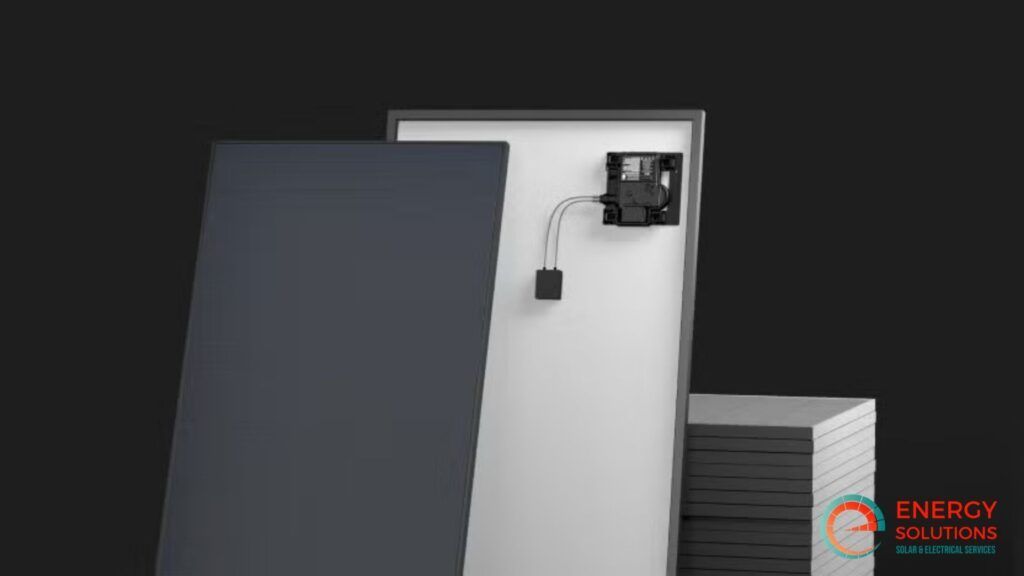
- NO Pressure Washers: We cannot stress this enough. High-pressure water can strip the anti-reflective coating on the glass and force water past the seals into the microinverters. It voids almost every manufacturer warranty.
- NO Abrasive Pads: Never use a Scotch-Brite pad or steel wool. Scratched glass diffuses light and lowers production permanently.
- NO Harsh Chemicals: Bleach, Windex, and heavy detergents are bad for the aluminum frames and bad for your roof shingles. Plain water and a soft brush are usually enough.
5. Dealing with Moss
If you see moss growing on the panels or thick clumps underneath the edges:
- Don’t Scrape: Aggressive scraping can damage the backsheet (the white plastic on the back).
- Chemical Treatment: Be careful with “Moss Out” or zinc powders. If they sit on the aluminum frame, they can cause corrosion.
- Call a Pro: If the moss is bad, it’s usually time to call a professional who can lift the panels (if needed) to clean underneath and treat the roof properly.
The Bottom Line
A clean system is an efficient system. Taking an hour once a year to hose off the “Oregon grime” protects your investment and maximizes your energy credits.
Don’t want to get on the roof? We don’t blame you. Wet roofs are slippery! Please note that Energy Solutions does not offer solar panel cleaning services. We focus strictly on the electrical health and installation of your system.
To find a qualified local cleaner who uses the right equipment, we recommend visiting CleanMySolarPanels.com to find a pro near you.
Need a System Check-up? If you suspect an electrical issue or need a maintenance check (unrelated to cleaning), Contact Us Today or call our local team at 503-680-3718 .
Frequently Asked Questions
Can I walk on my solar panels?
No. While they are strong enough to handle snow loads, walking on them creates “micro-cracks” in the silicon cells. You won’t see them with the naked eye, but they will degrade your power output over time.
Does snow clean the panels?
Actually, yes! As a heavy sheet of snow slides off your panels, it acts like a squeegee, pulling a lot of dirt and grime with it. It’s one of the few benefits of a winter storm.
My water is “hard.” Will it leave spots?
Oregon City water is generally decent, but if you have well water with high mineral content, hose water might leave calcium deposits. In that case, simply drying them with a squeegee is highly recommended, or hiring a pro who uses deionized water.